
Cornhole Board Size Guide: From Mini to Regulation

Let’s be real for a second—cornhole is arguably the greatest lawn game ever invented. This isn’t just because it’s fun. It’s also due to the fact that it’s perfect for one-handed play (beverage in the other, naturally), requires pra practically zero athletic ability, and lets you talk trash to your friends while tossing some bean bags around. What’s not to love? But before you go buying the first set of boards you see on the internet, you need to know that the size of your boards actually matters.
If you’ve ever played on a board that felt weirdly small or impossibly steep, you were likely playing on a non-regulation setup. However, that doesn’t mean it has to be regulation to be fun. You just need to recognize that the dimensions of your board will completely change the game, affecting everything from portability to how much you have to adjust your throwing arc. Whether you’re looking for something to keep the kids busy or you’re training for the big leagues, here’s the lowdown on the different cornhole board sizes from mini to regulation.
Mini Cornhole Boards
First up, we have the little guys. Mini cornhole boards are exactly what they sound like—shrunken-down versions of the real deal. Typically, these boards measure in at 24 inches long by 12 inches wide. Because the board is smaller, the hole is scaled down accordingly, usually sitting at about 4 inches in diameter rather than the standard 6 inches.
These are fantastic if you are dealing with tight spaces. Have a tiny backyard? Mini boards can fit just about anywhere. Raining outside? Set these up in the living room or a long hallway for some intense close-range games. They are also the absolute best option for kids. The smaller target and shorter distance make it way less frustrating for the little ones who can’t quite hurl a 16-ounce bag 27 feet across the yard.
The biggest perk here is portability. You can practically fit these in a backpack. However, don’t expect to hone your professional skills on these. The gameplay is totally different because the board surface is so much smaller; bags slide off way easier, and the smaller hole demands precision, albeit at a much shorter distance.

Tailgate Cornhole Boards
Moving up the ladder, we hit the tailgate size. These are the “Goldilocks” of cornhole boards for many casual players. They usually measure 36 inches long by 24 inches wide, though you might find some slim versions at 32 inches by 16 inches.
The genius of the tailgate board is that even though the surface area is smaller than a pro board, most manufacturers keep the hole size at the regulation 6 inches. This means you get a fairly realistic throwing experience without lugging around giant slabs of wood.
As the name suggests, these are built for the parking lot party. If you drive a sedan or a compact SUV, fitting two full-sized regulation boards in the trunk can be a nightmare or maybe even straight up impossible. Tailgate boards slide right in. They are lighter, easier to carry, and perfect for the beach, the park, or camping trips. You sacrifice a little bit of sliding room—meaning it’s harder to land a bag on the board and slide it into the hole—but for casual hangouts, nobody is going to complain.
Regulation Cornhole Boards
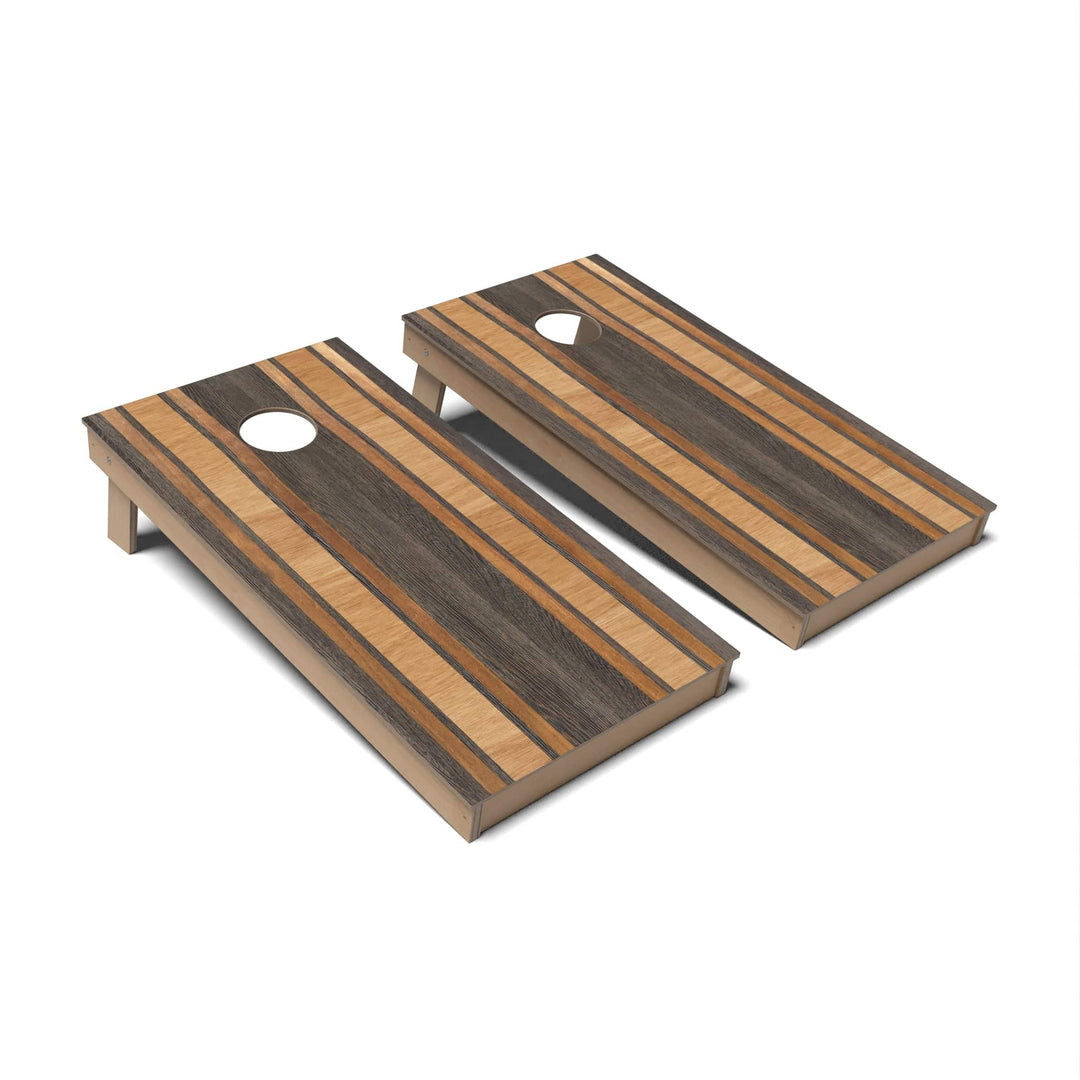
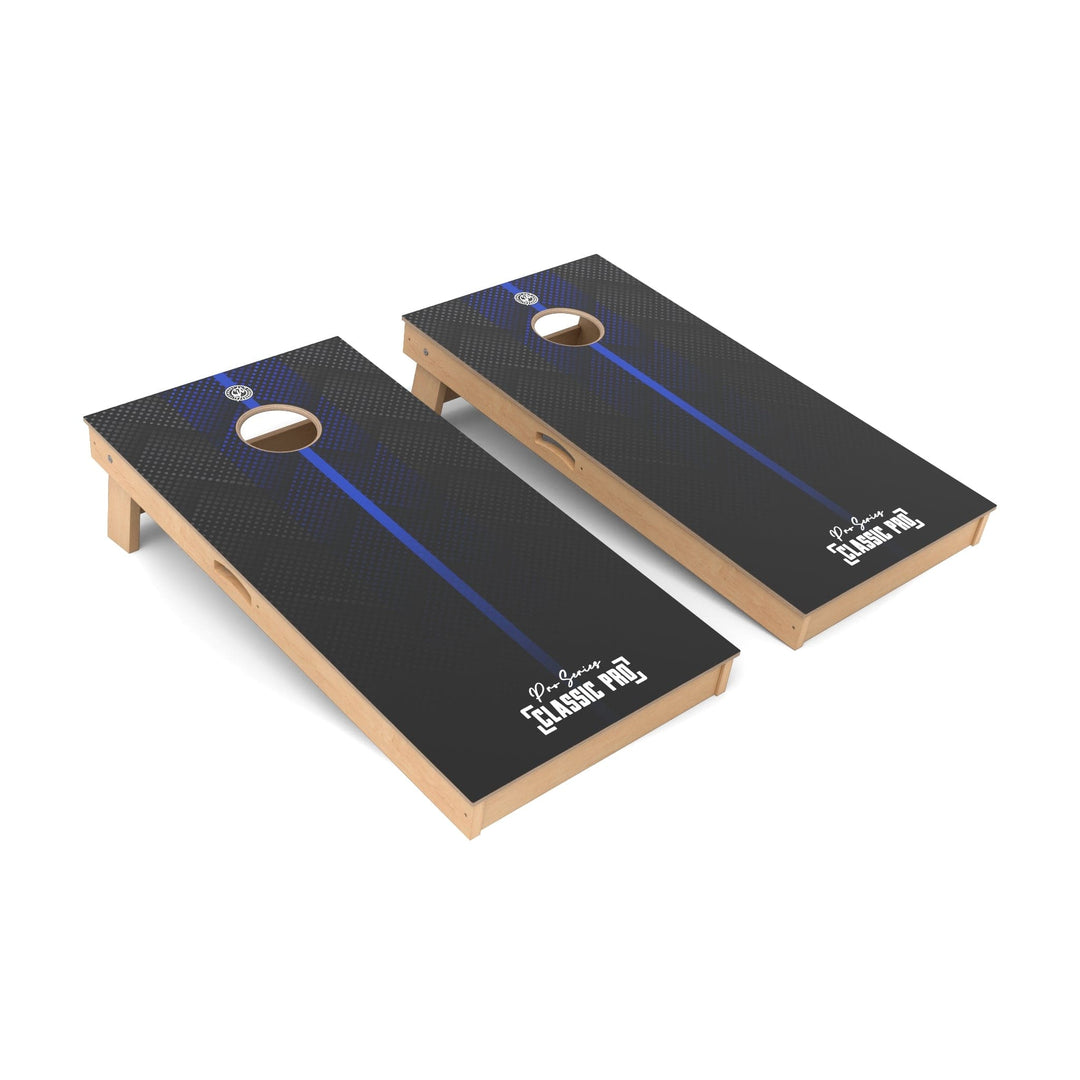
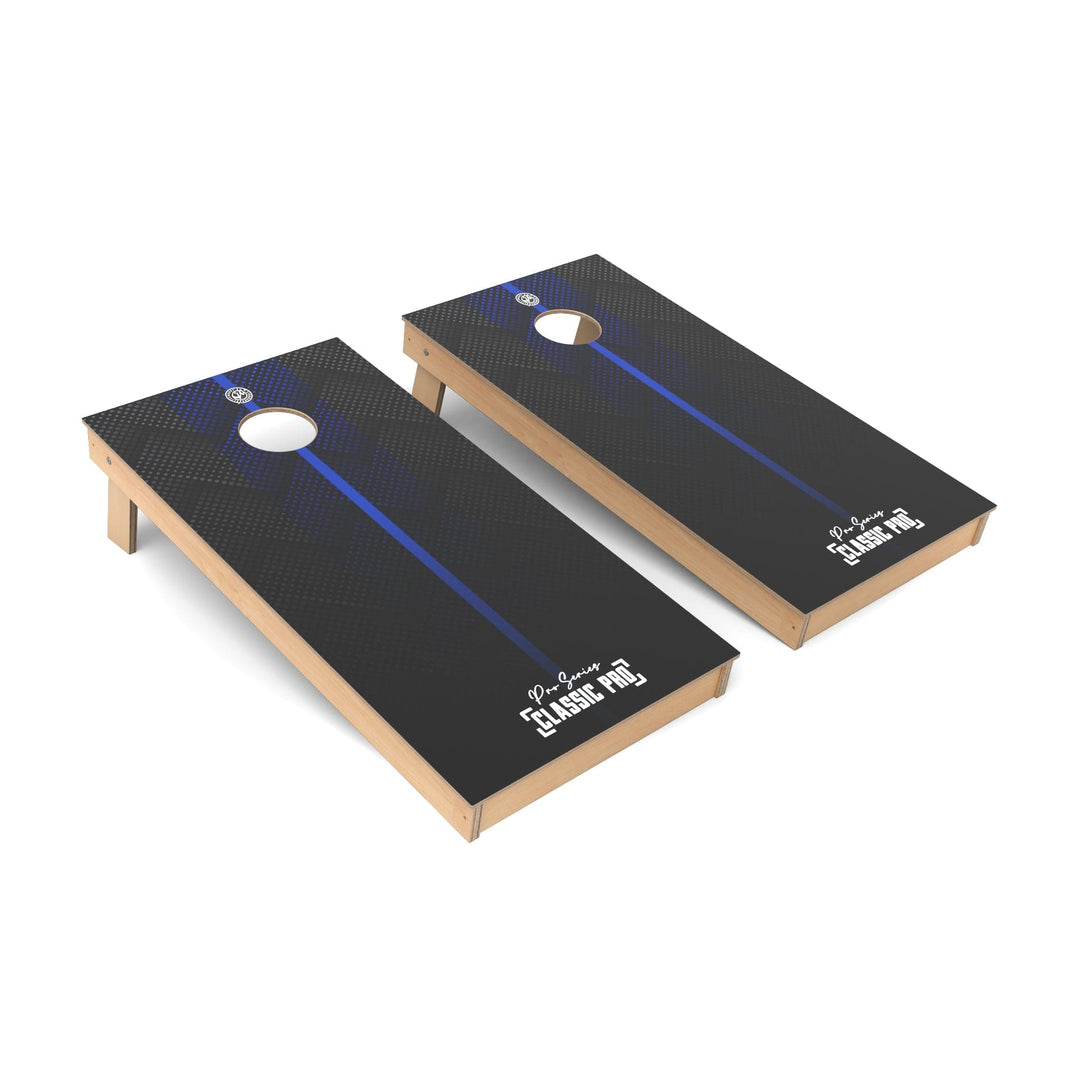
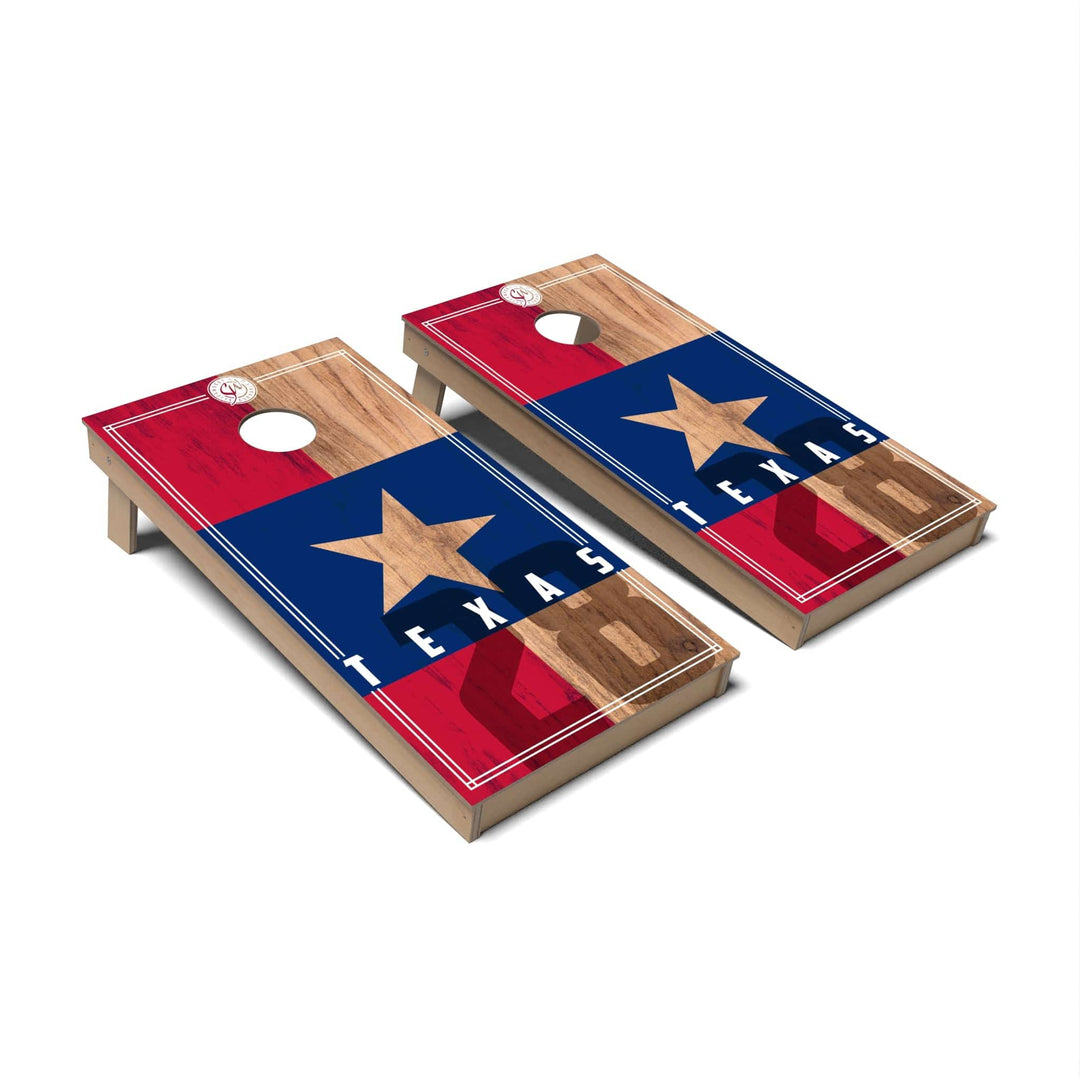
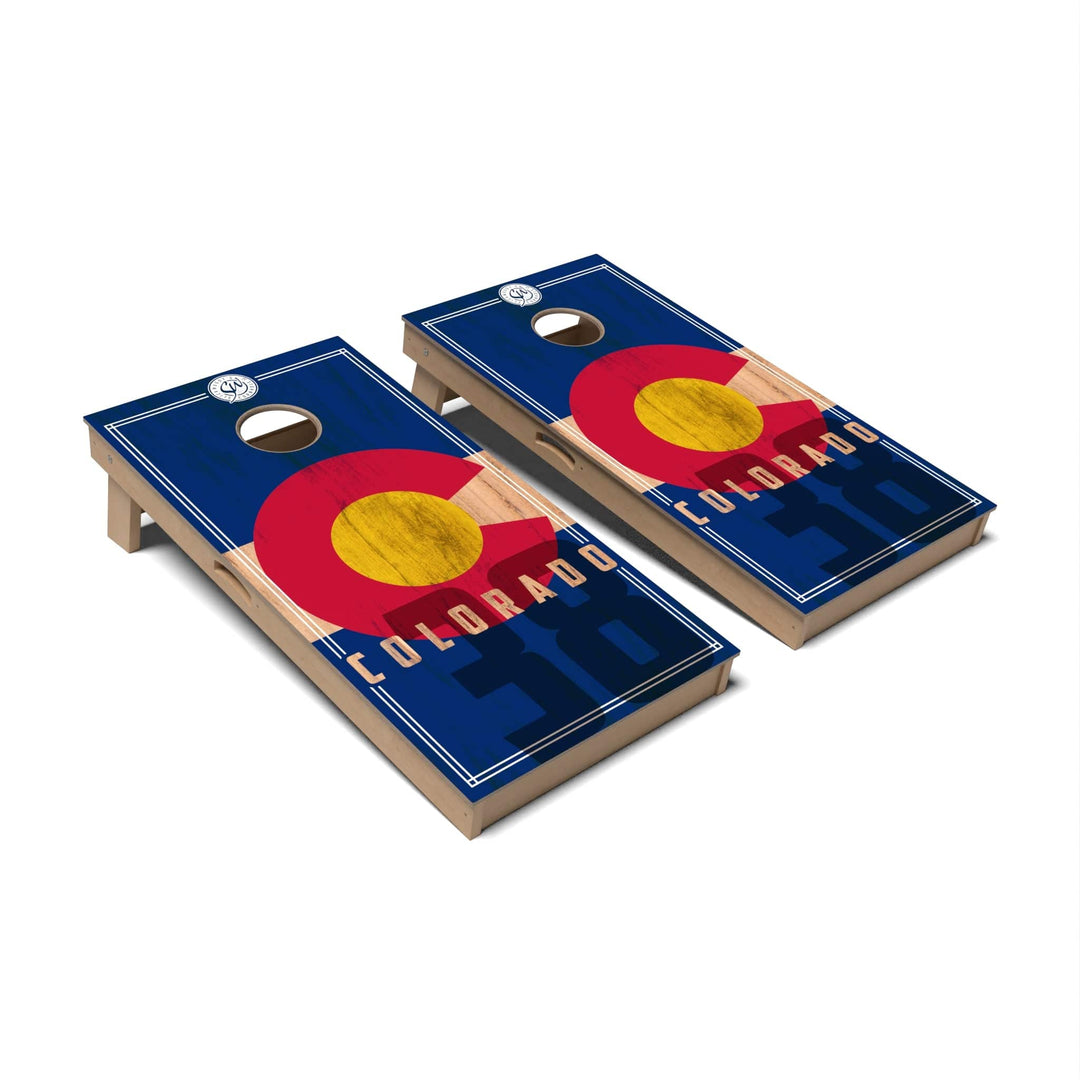
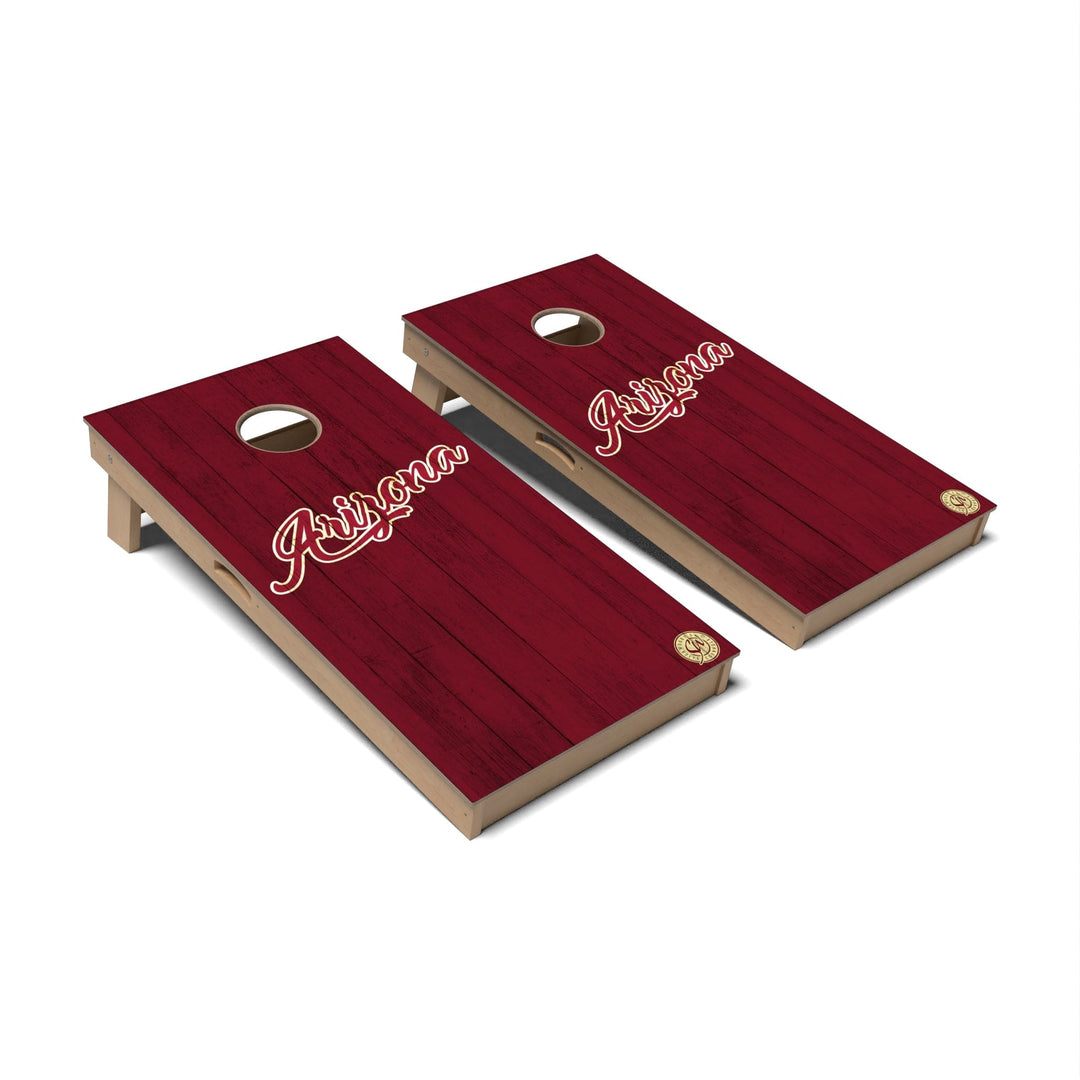
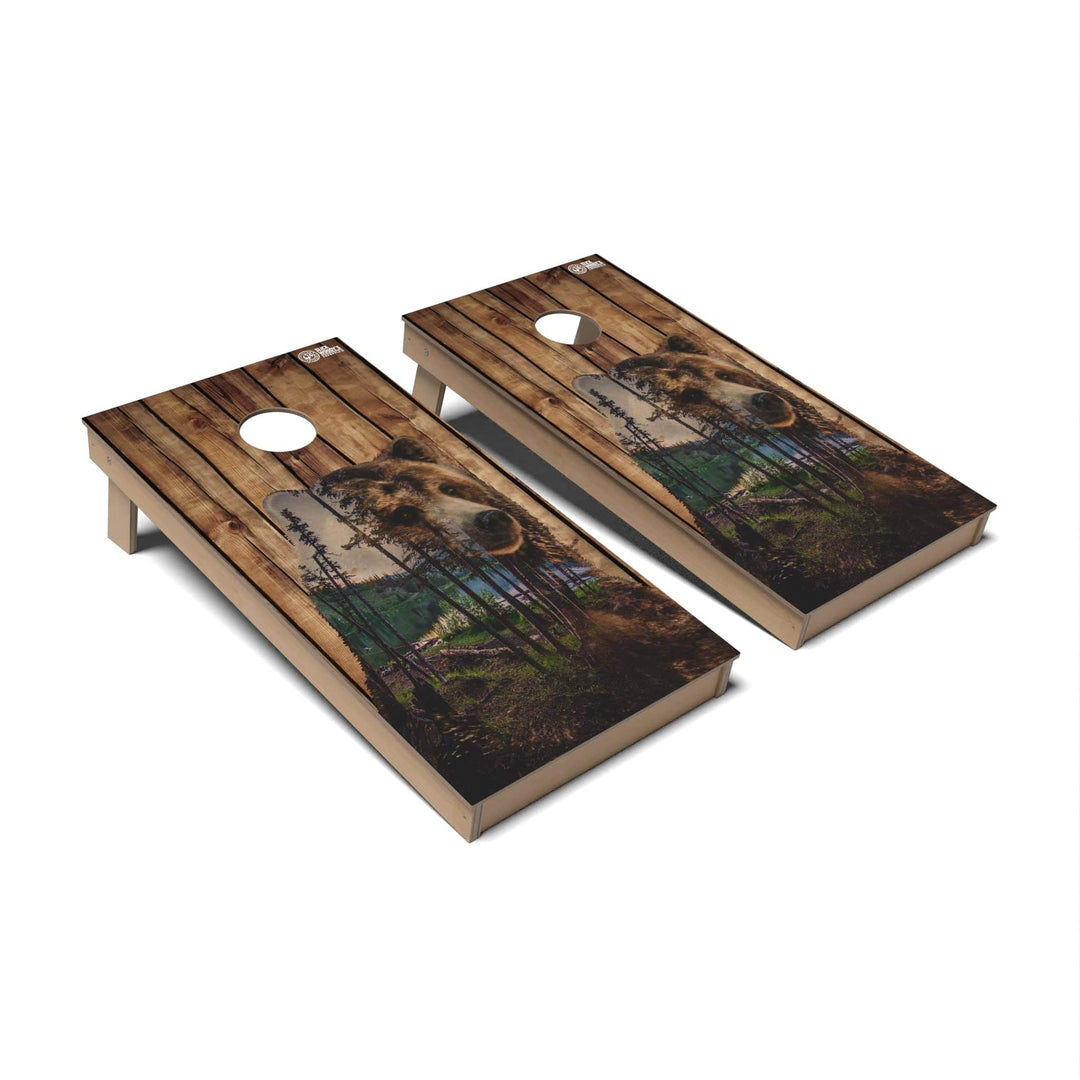
Now we’re talking about the big leagues. If you watch the American Cornhole League on TV, these are the bad boys they are using. A regulation cornhole board is strictly 48 inches long by 24 inches wide.
The specs here are very precise to ensure consistent gameplay. The hole is exactly 6 inches in diameter and centered 9 inches from the top of the board. To keep things within regulation, the vertical height matters too: the back of the board must sit 12 inches off the ground, while the front sits at 3 inches high. This creates the specific slope angle that pros are used to.
Why go for a regulation board? It’s all about the slide. That extra foot of length compared to a tailgate board gives you much more runway. You can land a bag on the front of the board and skillfully slide it all the way up and into the hole. It also prevents bags from bouncing off the back as often. If you are serious about getting good, or you just want the “official” experience at your backyard BBQ, this is the only way to go. Just make sure you have the storage space in your garage and a vehicle big enough to transport them!

Choosing the Right Size for Your Needs
Now that you understand the different cornhole sizes, from mini to regulation, it’s time to decide which one you should add to your cart. Whether you want an all-weather cornhole board or one that you can store anywhere with ease, it all really comes down to how you plan to play.
Skill level
If you are a beginner or just want something for a laugh, tailgate or mini boards are perfectly fine. But if you’re built for competition, or simply want to crush your cousin on a fair playing field at the next family reunion, you’ll need a set of regulation boards. Training on a smaller board will mess up your distance and arc when you finally step up to a full-sized set. Muscle memory is real, folks.
Space availability
Be honest about your space. Regulation courts require 27 feet between the boards, plus the length of the boards themselves, and maybe some extra room behind them to move and throw. That’s a roughly 40-to-45-foot runway. If you have a tiny backyard or you’re playing indoors, regulation boards might feel cramped. Tailgate boards allow you to cheat the distance a bit without it feeling too weird.
Purpose
Are you buying these for a specific event? If you want a set specifically for football season to toss in the back of the truck, get the tailgate size or maybe even the mini. Your back will thank you after carrying them across a massive stadium parking lot. If the boards are never leaving your backyard, go full regulation. You’ll appreciate the better gameplay they provide.